Types of Cleaning Tools and the Materials Behind Them
Walk any wholesale aisle and you meet dozens of types of cleaning tools that look alike and behave nothing alike. A cotton yarn mop and an 80/20 microfiber mop can sit on the same shelf and still solve two different problems. Materials decide how a tool cleans, how long it survives a stockroom, and where it sits on your price ladder. So read a range the way we quote one: tool type first, material second, price tier third.
What follows is the working map of household cleaning tools we build at CHUANGJIE (product brand Mopglo), plus the material questions worth putting to any supplier before you commit to a container.
The short version: tool types and the materials behind them
| Tool type | Core materials | Typical price tier | Where it earns its keep |
|---|---|---|---|
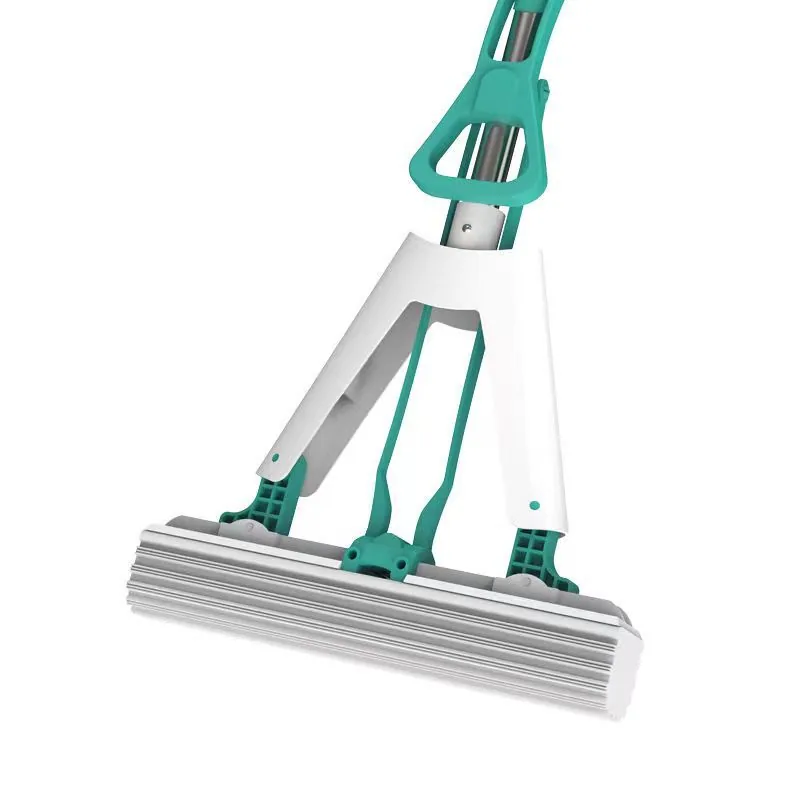
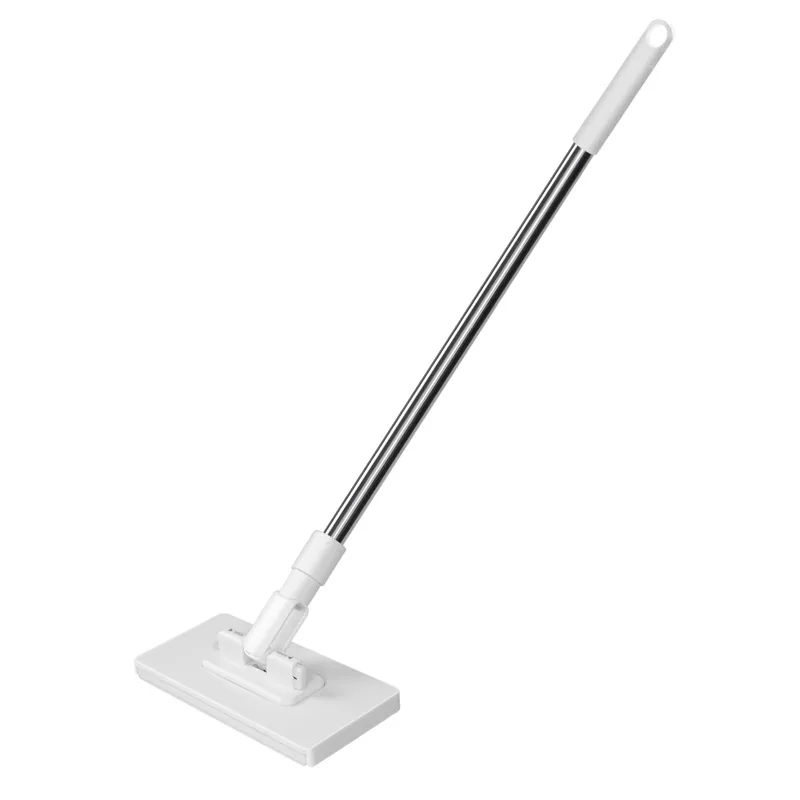
| Mops (spin, flat, sponge, cotton) | PVA sponge, chenille microfiber, 4-ply and 8-ply cotton yarn, 80/20 polyester-polyamide pads; stainless steel or aluminium handles | Entry to mid; microfiber heads and metal handles pull it up | Wet floors, spill pickup, daily contract cleaning |
| Squeegees and window tools | Silicone or rubber blade, PP body, aluminium telescopic pole | Mid | Glass, mirrors, tiled walls, shower screens |
| Brooms and dustpan sets | PP, PET or nylon bristles, PP block and pan | Entry to mid | Dust and debris, matched to floor type and dampness |
| Brushes (toilet, bath, dish, crevice) | PP/PET/nylon bristles, stainless steel rod, plastic or rubber grip | Entry | Detail work and hygiene zones |
| Cloths, wipers and dusters | Microfiber, chenille, cotton, PVA foam, PP and polyester duster fibres | Entry to mid | Dusting, wiping, glass, spill control |
| Trash cans | Virgin or PCR polypropylene, SUS304 and SUS410 stainless steel | Mid to upper | Waste collection, front of house and back room |
Mops: the head material does most of the work
Mops carry the widest material spread of any household cleaning tool, and that is where most quoting mistakes happen. Buyers compare a photo against a photo, then discover the two heads behave nothing alike on a wet floor.
PVA sponge
Polyvinyl alcohol sponge, still called collodion cotton in some trade circles, is a dense open-cell foam (Polyvinyl alcohol, Wikipedia). It goes in stiff and dry, softens in water, and pulls a spill off tile, stone or vinyl in one pass. It shines on smooth floors with liquid spills. It is a poor match for rough grout or heavy grit, where the foam gets chewed up. If you stock a sponge mop, look at our PVA Sponge Mop with Telescopic Stainless Steel Handle, which runs at a minimum of 300 pieces.
Microfiber (80/20 polyester-polyamide)
Microfiber is synthetic fibre finer than roughly one denier, usually polyester, polyamide or a blend of the two, and the split structure is what grabs dust and water rather than pushing them along (Microfiber, Wikipedia). An 80/20 polyester-polyamide pad is our standard high-density option. It scrubs well, releases soil in the wash, and holds up over repeated launderings. It costs more per unit than cotton yarn and justifies that on a mid-tier shelf.
Chenille microfiber
Chenille is the thick, noodle-like yarn version. More surface, more water held, softer hand feel. It dries slower than flat microfiber, which matters if you sell into humid markets or to buyers who store stock in unheated warehouses.
Cotton yarn
4-ply and 8-ply cotton yarn is the traditional wet mop. Cheap per unit, absorbent, heavy when loaded. It wears faster than microfiber and needs more frequent replacement, so it suits value ranges and heavy industrial mopping where the buyer expects to replace heads often.
One industry point worth passing to your own customers: dry mopping lifts dust and debris without water, and wet mopping does the deeper clean. On sealed wood and laminate, routine dry mopping is the safer default and a barely damp, lint-free cloth is the tool for occasional wet work.
Our full mop range sits under mops, including spin mops, flat mops and cotton yarn models. Mop head material can be changed for a market, and the specification is locked at the pre-production sample stage.
Squeegees and window tools: silicone, rubber and a straight edge
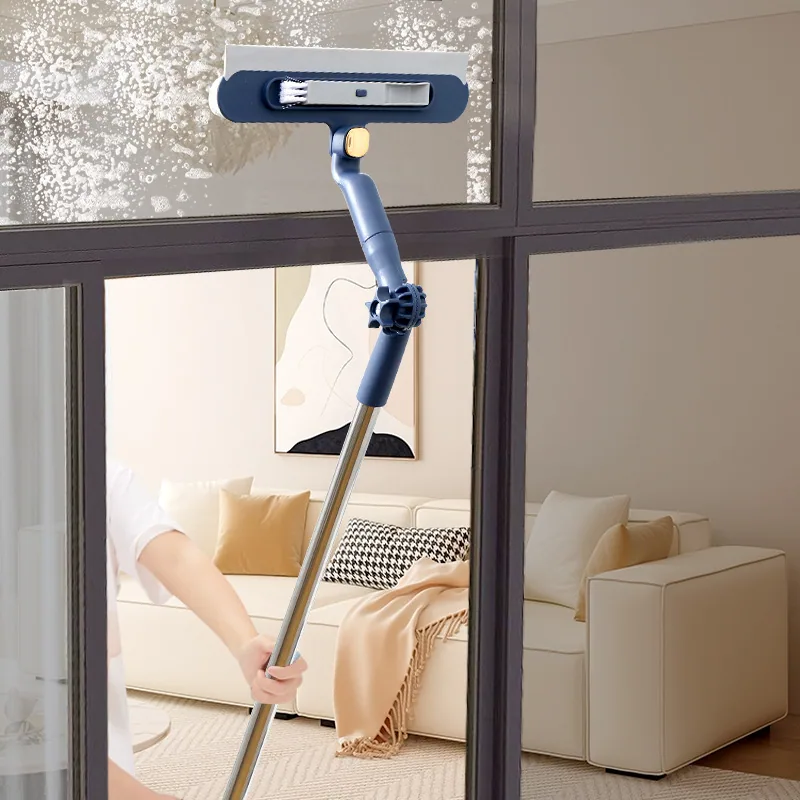
A squeegee is a blade in a body. The blade is the whole product, and the cheapest ones give themselves away within a season. Silicone rubber is an elastomer that stays flexible across a wide temperature range and resists water and weathering well (Silicone rubber, Wikipedia). That flexibility is why the edge keeps contact with glass instead of skipping.
Natural or SBR rubber blades cost less and cut cleanly when new. Leave them in a hot warehouse or a cold container and the edge hardens, then it streaks. For a private label line you intend to stand behind, silicone is the safer spec.
Bodies are usually PP, which moulds cheaply and holds a grip shape well. Poles run to aluminium for telescopic sets, because a long steel pole gets tiring to lift above shoulder height. See the squeegees and window tools category, or the Silicone Squeegee for Glass and Mirrors (minimum 1,200 pieces) as a starting point.
Brooms and brushes: PP, PET and nylon bristles
Bristle polymer is the first thing to pin down when you cost a broom. The three common options behave differently and the price gap is real.
- PP (polypropylene) is rigid, chemically resistant and the cheapest of the three (Polypropylene, Wikipedia). It suits outdoor, yard, construction and rough-floor sweeping. It is too stiff and scratchy for fine indoor floors.
- PET balances spring and wear resistance, and holds its shape well. Good for warehouse, factory and indoor-outdoor mixed use.
- Nylon is moisture tolerant and sweeps gently. It is the right pick for indoor floors and anywhere the brush will stay damp.
Match bristle to debris size, floor type and how wet the environment gets. A soft-bristle set for tile and laminate is a different product from a stiff yard broom, even if the handle looks identical. Our brooms range covers household sets in PP and PET, from full-size dustpan sets to mini and children's versions.
Same logic applies to detail brushes. A toilet brush wants soft, dense bristles that reach under the rim without splashing; a bath brush wants a firmer face on one side and a mesh sponge on the other. Bristle stiffness is one of the specs we adjust for a market, so tell us the floor and the end user and we will quote the right compound rather than the cheapest one. Browse cleaning brushes for the current shapes.
Cloths, dusters and sponges: where fibre fineness shows
This group is where the list of cleaning tools names gets messy, because the same cloth can be sold as a duster, a wiper or a rag. Judge by fibre and construction, not by the label on the polybag.
Microfiber cloths trap dust and grease through fine split fibres and capillary action. Cotton cloths absorb more slowly but tolerate harsh chemicals and cost less. Our comparison of microfiber cloth vs cotton cloth goes deeper if you are briefing a private label range.
Electrostatic dusters use split-tip synthetic fibres, usually PP and polyester, that pull hair and lint onto the head instead of flicking it into the air. PVA sponge wipers work like the sponge mop head: dense open-cell foam that softens in warm water and lifts spills on glass and counters. Both sit in our dusters and cleaning cloths categories.
Handles: stainless steel, aluminium and plastic
Handles get ignored in samples and then generate the returns. Stainless steel resists corrosion because of its chromium content (Stainless steel, Wikipedia), and our reinforced stainless steel or aluminium handles run at 0.4 to 0.6 mm wall thickness. That number is worth asking about. Below it, a mop pole buckles under a hard push and the buyer blames the whole product.
Aluminium is lighter, which matters on long telescopic poles and on products sold to older shoppers. Plastic sections lower cost and cut weight further, and they are fine on light-duty household tools as long as the load-bearing joint stays metal. Every product we ship has to pass a drop test before it leaves the factory, which catches the weak joints early.
How material choice maps to price tier
Four cost drivers decide where a tool sits on the shelf. Fibre grade (an 80/20 polyester-polyamide blend against an all-polyester pad, or virgin against recycled cotton). Ply and density (a 4-ply cotton head against 8-ply, or a thick chenille yarn against a thin one). Handle gauge and metal type. And blade material on anything with an edge.
Blunt opinion: most buyers overpay for cosmetic differences and underpay on the components that fail. A slightly duller colour on the bucket rarely loses a reorder. A silicone blade swapped for cheap rubber does, every time.
If your market is price-led, spec PP bristles, a cotton yarn head and a plastic handle, and sell on value. If it is a supermarket own-brand program, the microfiber head, silicone blade and reinforced metal handle earn the shelf space back through fewer complaints. PCR plastic parts and recycled cotton fibre are both available for ranges that need an environmental angle, without a certification claim attached.
A quick sourcing checklist
- Name the floor and the mess before you name the product.
- Ask for the fibre spec in writing: 80/20 polyester-polyamide or all-polyester, 4-ply or 8-ply, PP or PET or nylon.
- Check handle wall thickness and metal grade, not just the handle colour.
- Confirm blade material on squeegees, and whether it stays flexible in your climate.
- Ask what the drop test covers and get it into the pre-production sample sign-off.
- Compare packing, carton marks and label artwork as part of the landed cost.
OEM and private label: where the specs get locked
Our OEM and ODM service covers colour matching to Pantone codes or physical samples, logos by embroidery, silk print or heat print, and retail packaging with colour boxes, hot-stamped logos, carton marks and product labels. Mop head material, brush bristle stiffness and broom handle length can all be adjusted for a market. The flow is straightforward: confirm quantity, place the order, sign the contract, pay the deposit, then send colour samples or Pantone codes and logo files. A pre-production sample is confirmed before mass production starts. OEM minimums run 2,000 to 8,000 pieces per style per colour, depending on the build.
Behind that sits a factory with mould development and production in one company, more than 300 injection moulding machines and annual output over 5 million units. Our range covers more than 3,000 SKUs, sold into more than 20 countries and regions. The R&D team includes 20+ senior technical staff and holds nearly 300 patents across new materials, plastic moulding processes and moulds.
How to start an order with us
Two routes. Pick from stock, where each item carries its own minimum on the product page, or go OEM and build the specification you actually want on shelf. Either way, email mopglohome@gmail.com with the item links or the spec you have in mind and the market you sell into. If you would rather send a form, use the contact page and we will come back with options, packing detail and the sampling steps for your range.
FAQ
What are the main types of cleaning tools a buyer should stock?
Six groups cover most of a household range: mops, squeegees and window tools, brooms and dustpan sets, brushes, cloths and dusters, and trash cans. Each group splits further by material, and that split is what decides the price tier and the end use.
Which mop head material should I choose for my market?
PVA sponge suits smooth floors and liquid spills. 80/20 polyester-polyamide microfiber suits mid-tier wet cleaning and repeated laundering. Chenille microfiber holds more water but dries slower. 4-ply and 8-ply cotton yarn is the value option where heads are replaced often. Tell us the floor type and we will match the head.
PP, PET or nylon bristles: how do I pick?
PP is the cheapest and stiffest, best for outdoor and rough floors. PET balances spring and wear for warehouse and mixed indoor-outdoor use. Nylon is moisture tolerant and gentle, so it fits indoor floors. Debris size, floor surface and dampness decide the answer.
Can you adjust materials, colours and packaging for a private label order?
Yes. Colour can be matched to Pantone codes or physical samples, logos applied by embroidery, silk print or heat print, and packaging built as colour boxes with hot-stamped logos, carton marks and product labels. Mop head material, bristle stiffness and broom handle length are all adjustable, with a pre-production sample confirmed before mass production. OEM minimums run 2,000 to 8,000 pieces per style per colour.